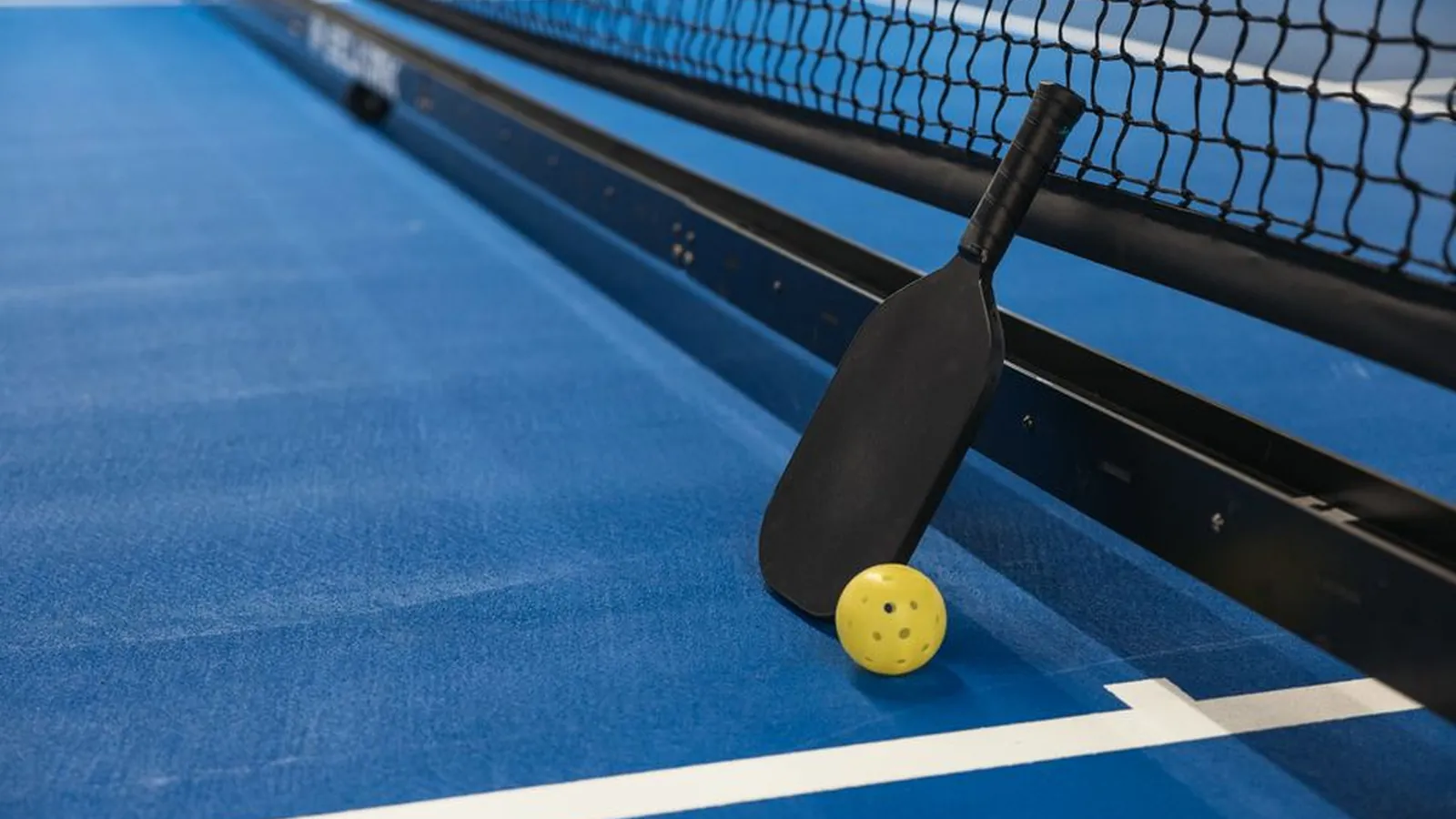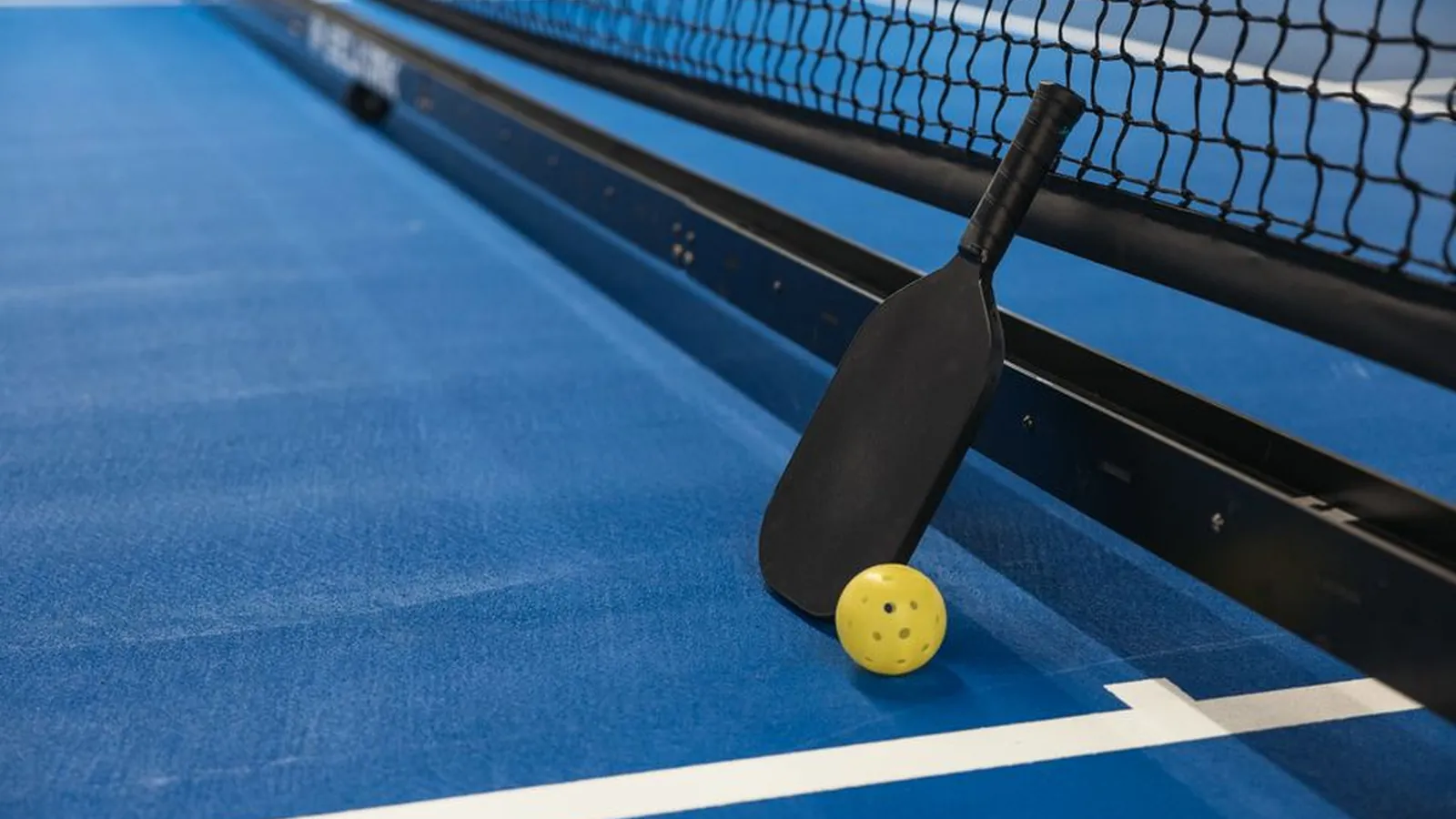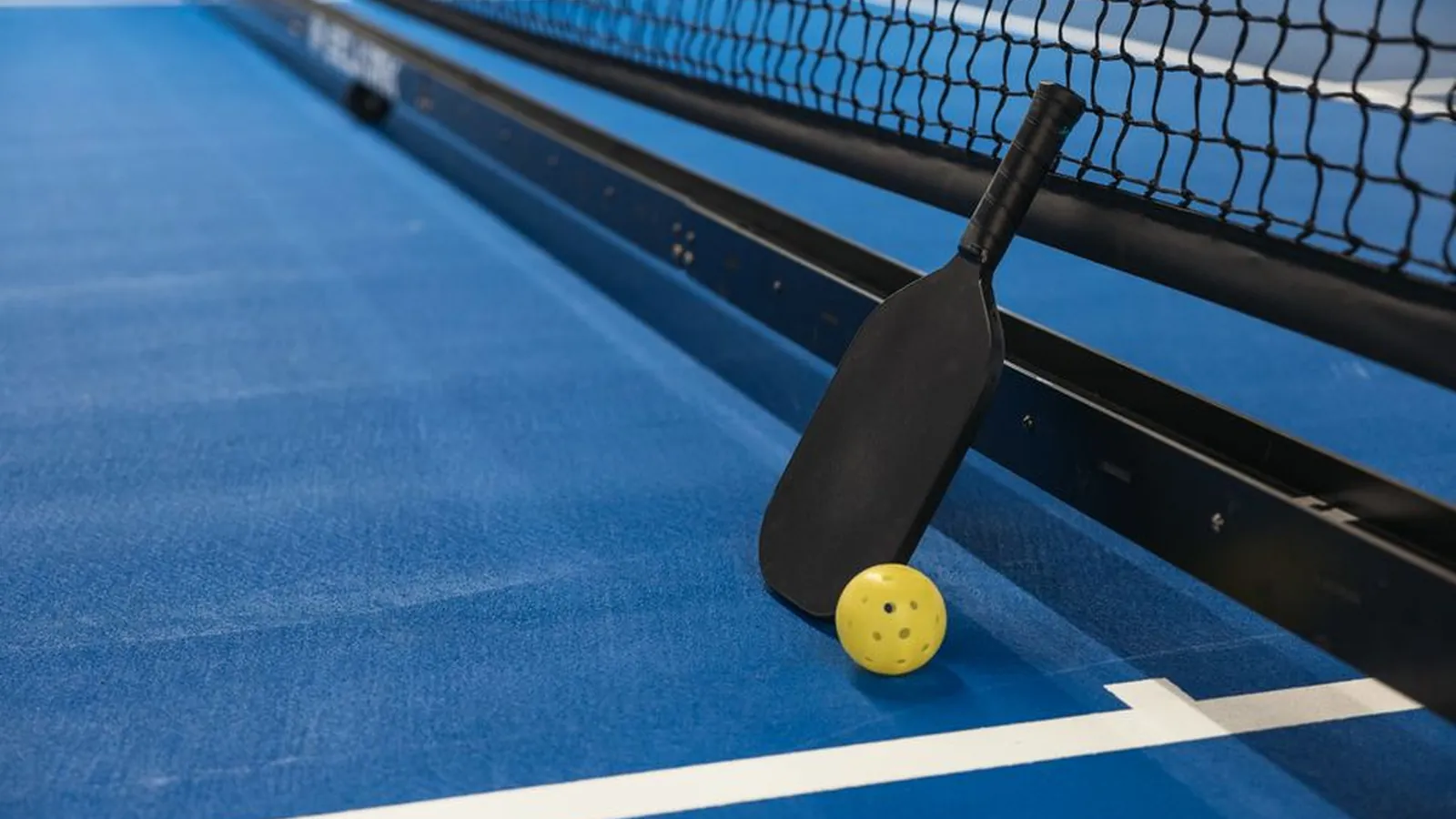
Which Lines Are In or Out in Pickleball?
The short answer: A ball that lands on any court line is in. The one exception is the serve: it has to clear the kitchen, so a serve that hits the kitchen line is a fault. When you can't tell, the doubt goes to your opponent.
Published By the Pickle Call team4 minutes
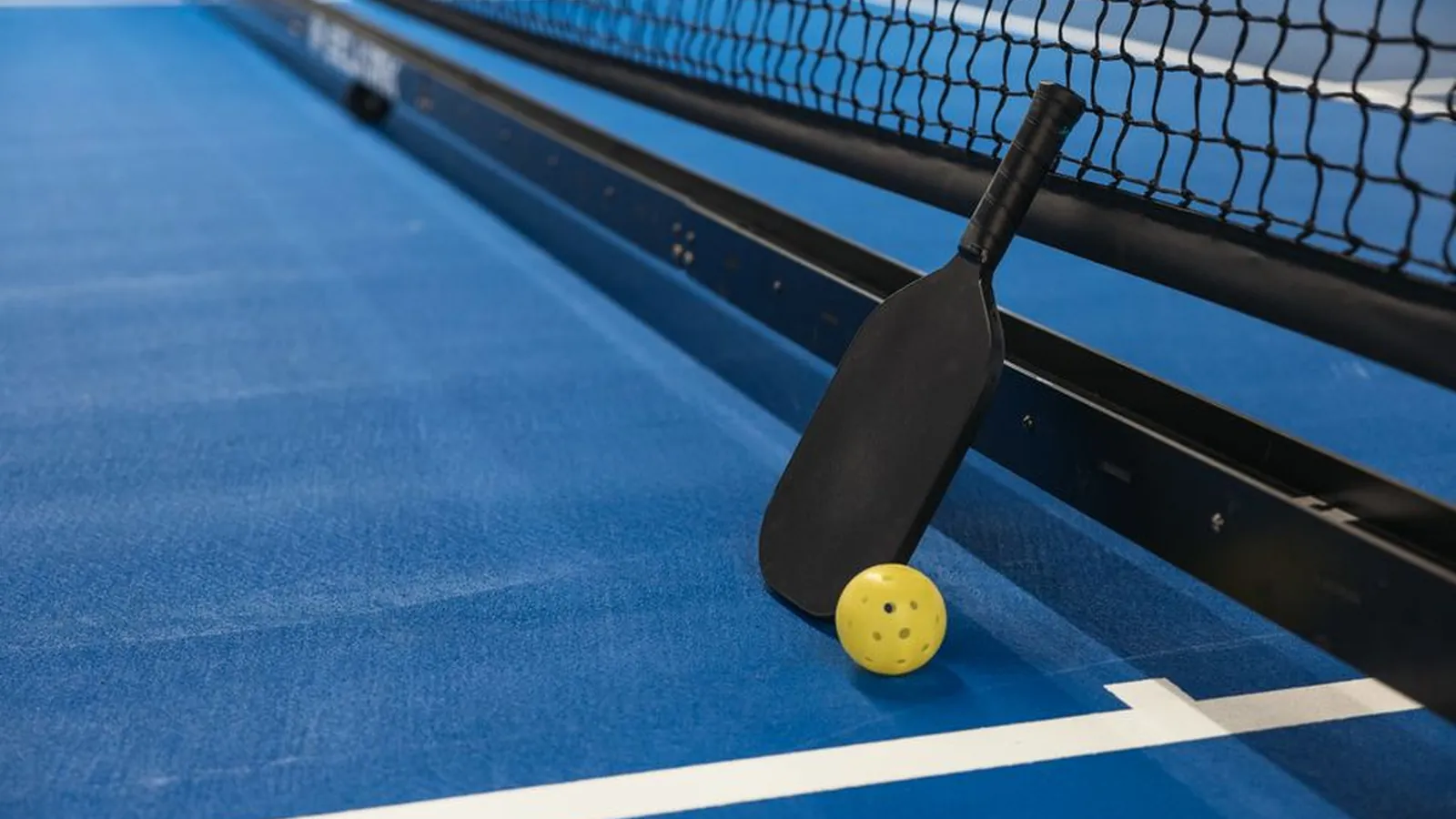
A ball that lands on any court line is in. The one exception is the serve: it has to clear the kitchen, so a serve that hits the kitchen line is a fault. Everything else on the court, the baseline, the sidelines and the centerline, is good the moment any part of the ball touches it.
That settles most court arguments. The rest comes down to who makes the call and what to do when you aren't sure.
Is a ball on the line in or out?
It is in. The rulebook's how-to-play page puts it plainly: any shot landing on the court lines is considered in, except for serves, which must clear the kitchen. A second official summary says the same thing from the other side: all other lines are good at all times.
So a ball is only out when it lands completely outside the line, with daylight between the ball and the paint.
Baseline and sidelines
Touch the baseline or a sideline and the ball is in. A ball that clips the back line on a deep drive is still in play, and the point continues.
Centerline
The centerline splits the two service courts. It matters on the serve, where the ball has to land crosscourt in the correct service box. A serve that touches the centerline of the correct box is in, because that line is good like the rest.
Does a serve on the kitchen line count?
No. This is the one exception. The serve has to land beyond the kitchen line, crosscourt, in the service box. If a serve hits the kitchen or the kitchen line, it's out, and that is a fault.
The kitchen is the non-volley zone, 7 feet deep on each side of the net. So the serve has to carry past that whole zone and its far line, then drop into the right box. The serving rules cover where the server stands and how the serve is hit.
Once the serve is in play, the kitchen line goes back to being a normal line. A rally ball that lands on it is in.
What about stepping on the kitchen line?
That is a different question, because it is about feet, not the ball. When you volley, you may not step on or over the kitchen line. The same summary adds that it is a fault even if the ball is declared dead before you touch the zone.
You can go into the kitchen any time to play a ball that has bounced. You can't volley while you are in there, and you can't let your momentum carry you in after a volley. The full picture is in the kitchen rule, and what happens after a fault explains what the call costs you.
Who makes the call, and what if you aren't sure?
Without referees or line judges, you call the balls that land on your side. The rulebook's code for line calls sets the standard: every questionable call is resolved in favor of the opponent, and you shouldn't call a ball out unless you can clearly see a space between the line and the ball.
In practice that gives you a simple test:
- Saw a gap between ball and line: call it out, loudly and clearly.
- Saw the ball touch the line, or you can't tell: it's in. Keep playing.
- Weren't looking, or the ball was too fast to read: it's in.
The how-to-play page makes the same point in fewer words: call out balls loudly and clearly, but only if you're certain.
Another argument that comes up a lot is a serve that clips the net. Know that one before the next game too.
The quick version
| Line | Rally shot | Serve |
|---|---|---|
| Baseline | In | In, if the ball lands in the correct box |
| Sideline | In | In, if the ball lands in the correct box |
| Centerline | In | In, if the ball lands in the correct box |
| Kitchen line | In | Fault |
Read it by the question you are really asking. Is it a rally shot? Then any touch of any line is in. Is it the serve? Then the kitchen line is the only one that turns a touch into a fault.
Mix-ups that start arguments
- "It hit the kitchen line, so it's out." Only on the serve. In a rally, a ball on the kitchen line is in.
- "My foot was on the line." For a volley, that is a fault. For a ball that has already bounced, you may stand anywhere, including in the kitchen.
- "I called it out after I hit it." Be certain before you call. If you can't clearly see a gap, you don't get to call it out.
- "The serve landed past the kitchen but wide." The serve has to land crosscourt in the correct box. Landing on the sideline or the centerline of that box counts as in.
Try it with Pickle Call
Pickle Call doesn't make line calls for you. That stays between you and the other side of the net. What it does is keep the score once the call is made: one tap per rally, and it holds the score call, the server number and the serving side so nobody has to argue about those as well. See how the score call works. It is coming to iPhone, iPad and Apple Watch.
Bottom line
In a rally, a ball touching any line is in. The serve is the exception: land on the kitchen line and it's a fault. If you can't clearly see a gap, play it as in.
More you might ask
- Is a ball that touches the line in or out in pickleball?
- In. A ball that lands on any court line is good. The only exception is a serve, which has to clear the kitchen and its line.
- Is a serve that lands on the kitchen line in?
- No. A serve that hits the kitchen or the kitchen line is a fault. The serve has to land beyond that line, in the crosscourt service box.
- Is the kitchen line in play after the serve?
- Yes. After the serve, a ball landing on the kitchen line is in like any other line. The line only matters for your feet when you volley.
- What if you cannot tell whether the ball was out?
- Play it as in. Questionable calls go to the opponent, and you call a ball out only when you can clearly see a space between the ball and the line.